 Abdelrahman Rabie Ali





 محتوى مموّل
Lovable unlimited
استخدام lovable unlimited بدون حدود
أعرف المزيد
محتوى مموّل
Lovable unlimited
استخدام lovable unlimited بدون حدود
أعرف المزيد
JOURNAL INDEX

Infrastructure Drift: Detect and Remediate Unrecorded Production Changes
Abdelrahman Rabie Ali
Software Engineer & AI Builder
A practical guide to detecting infrastructure drift and safely reconciling real resources with Infrastructure as Code.
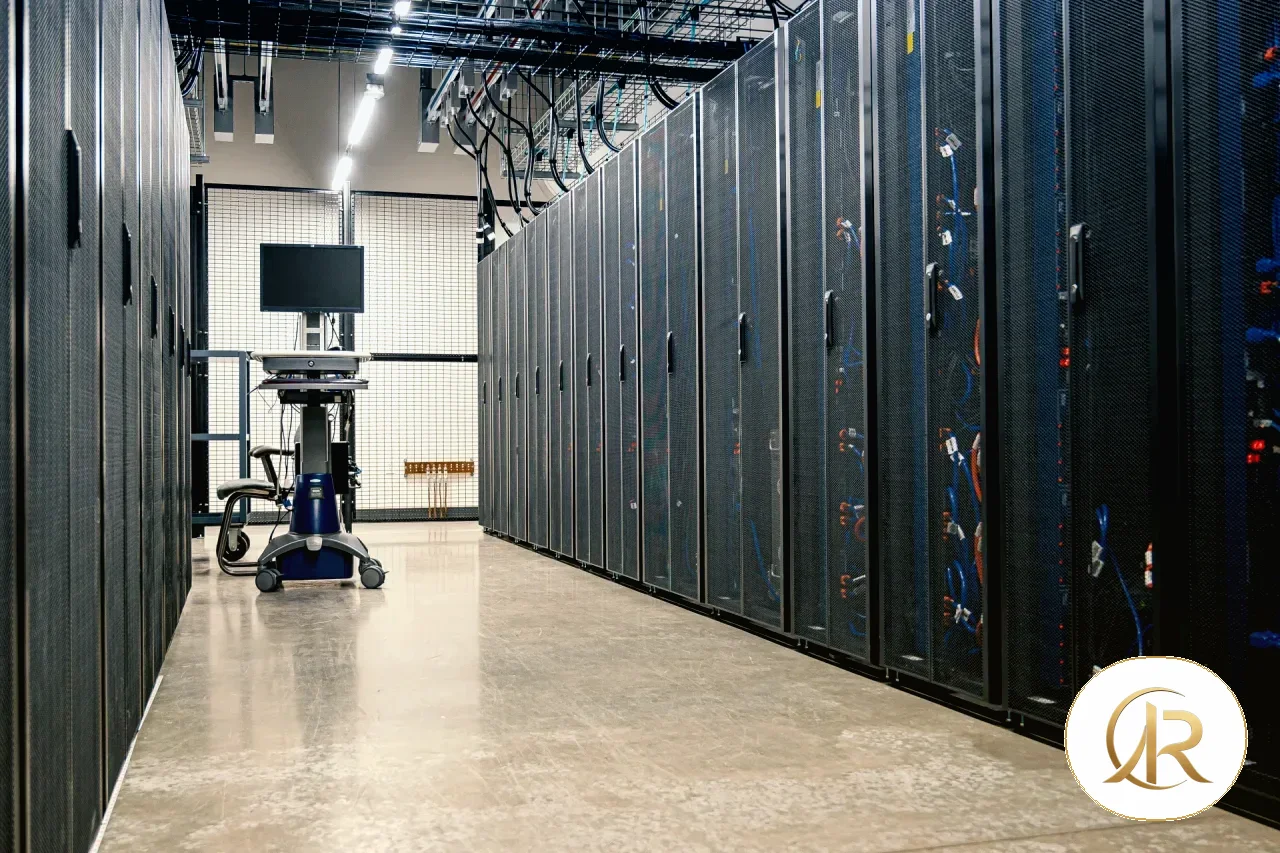
انحراف البنية التحتية: دليل عملي لاكتشاف تغييرات الإنتاج غير المسجلة وإدارتها
قد تبدو بيئة الإنتاج مستقرة لأن التطبيق يستجيب واللوحات لا تعرض تنبيهًا أحمر، بينما تختلف موارد الخوادم والشبكات والصلاحيات فعليًا عما هو موثق في ملفات البنية التحتية. ربما عدّل مهندس قاعدة أمان يدويًا لحل حادث عاجل، أو غيّر مزود سحابي قيمة افتراضية، أو نُفذ إصلاح من لوحة التحكم ولم يُعد إلى المستودع. مع الوقت تتراكم هذه الفروق، ويصبح السؤال الصعب: هل ما يعمل في الإنتاج هو ما وافق عليه الفريق فعلًا؟
يُسمّى هذا الفرق انحراف البنية التحتية (Infrastructure Drift). وهو ليس مجرد مشكلة تنظيمية؛ فقد يؤدي إلى تعطل إعادة الإنشاء، وتضارب البيئات، وفتح صلاحيات زائدة، وارتفاع التكاليف، وفشل التعافي من الكوارث. يساعد نهج البنية التحتية ككود (Infrastructure as Code أو IaC) على جعل الإعدادات قابلة للمراجعة والتكرار، لكنه لا يلغي الانحراف تلقائيًا. المطلوب دورة واضحة للكشف والمقارنة والتقييم والإصلاح، مع تحديد من يملك قرار التغيير.
يشرح هذا الدليل كيف تميّز الانحراف الحقيقي عن التغييرات المتوقعة، وكيف تبني عملية آمنة للكشف عنه باستخدام مراجعات الحالة وأدوات IaC والسياسات والتنبيهات، وكيف تتعامل مع الفروق دون استبدال إعداد إنتاج مهم على نحو مفاجئ. الأمثلة مفاهيمية ويمكن تكييفها مع Terraform أو أدوات إدارة إعدادات أخرى؛ إذ تختلف الأوامر والسلوكيات الدقيقة حسب المزود وإصدار الأداة.
1. ما المقصود بانحراف البنية التحتية؟
توجد البنية التحتية المعلنة في ملفات أو قوالب أو سياسات تصف الموارد المطلوبة: شبكات فرعية، قواعد جدار ناري، أحجام أقراص، نسخ تشغيل، أدوار هوية، موازنات تحميل، وقواعد نسخ احتياطي. أما البنية الفعلية فهي ما أنشأه مزود الخدمة ويطبقه الآن. يحدث الانحراف عندما لا تعود الحالة الفعلية متوافقة مع الحالة التي يتوقعها تعريف البنية أو حالة الأداة المحفوظة.
ليس كل فرق خطأ. قد يغيّر مزود الخدمة حقلًا محسوبًا أو يولّد معرفًا أو يحدّث قيمة لا يديرها تعريفك. وقد تكون بعض الخصائص ديناميكية بطبيعتها. لذلك لا يكفي أن تظهر أي علامة اختلاف حتى تنفذ إصلاحًا. يجب معرفة ما إذا كان الحقل تحت إدارة الأداة، وما إذا كان التغيير متوقعًا، وما أثر إعادته إلى القيمة المعلنة.
2. كيف ينشأ الانحراف؟
- تغيير يدوي طارئ: يعدّل شخص موردًا من لوحة التحكم أثناء الحادث ولا يوثق التعديل لاحقًا.
- تعديل خارج مسار المراجعة: يستخدم سكربت أو حساب خدمة واجهة المزود مباشرة دون تحديث ملفات IaC.
- اختلاف البيئات: تُنشأ بيئة الاختبار يدويًا أو من نسخة قديمة، فتختلف عن الإنتاج.
- تغيير افتراضي من المزود: يتغير سلوك مورد أو قيمة افتراضية بعد تحديث واجهة أو إصدار.
- انجراف حالة الأداة: تصبح الحالة المخزنة غير متزامنة مع المورد الحقيقي، أو يعمل أكثر من شخص على حالة غير محمية.
4. تفسير الفروق وتحديد الأولوية
بعد اكتشاف اختلاف، لا تبدأ بالإصلاح قبل فهم سببه. اجمع معلومات المورد وسجل التغييرات وتوقيت ظهور الفرق، ثم قارنها بعمليات النشر والحوادث المعروفة. إذا ظهر الفرق بعد تعديل معتمد، فقد يكون دليلًا على أن ملفات التعريف لم تُحدّث بعد. أما إذا لم يوجد تفسير، فتعامل معه بوصفه تغييرًا يحتاج إلى تحقيق لا بوصفه خطأً يجب محوه فورًا.
قيّم كل فرق وفق ثلاثة محاور: أثره على الخدمة، ومخاطر الأمن والامتثال، وسهولة التراجع عنه. تغيير يفتح منفذًا للعامة أو يوسع صلاحيات حساب خدمة قد يستحق أولوية عالية، بينما قد يكون تعديل وصف مورد أقل إلحاحًا. لكن لا تعتمد على تصنيف آلي وحده؛ فالسياق مهم، وقد يكون تغيير صغير في إعداد النسخ الاحتياطي ذا أثر كبير وقت التعافي.
دوّن القرار لكل حالة: إعادة المورد إلى التعريف، أو تحديث التعريف ليعكس تغييرًا مشروعًا، أو توثيق استثناء مؤقت بمالك وموعد انتهاء. بهذه الطريقة يصبح سجل الانحراف أداة تعلم ومساءلة، بدلًا من قائمة تنبيهات تُغلق دون فهم.
تتصل إدارة الانحراف بممارسات تشغيل أخرى؛ راجع دليل Cloud Native وDevOps لفهم البيئة التشغيلية، ودليل إدارة الأسرار في DevOps عند تقييم تغييرات الصلاحيات والمتغيرات الحساسة.
التعامل مع الحالات الحدية وخطة التحقق
عند ظهور حالة حقل مطلوب غير موجود ضمن موضوع اكتشاف انحراف البنية التحتية، لا تفترض أن السبب واضح من أول قراءة. قارن السلوك بالعقد أو الإعداد المعتمد، وحدد الجزء الذي تغيّر ومن يعتمد عليه. سجّل النتيجة المتوقعة ثم أعد الاختبار ببيانات آمنة قابلة للتكرار، حتى يستطيع فريق البنية التحتية والإنتاج التحقق من الإصلاح دون التأثير في المستخدمين الحقيقيين.
عند ظهور حالة قيمة null بدل قيمة فعلية ضمن موضوع اكتشاف انحراف البنية التحتية، لا تفترض أن السبب واضح من أول قراءة. قارن السلوك بالعقد أو الإعداد المعتمد، وحدد الجزء الذي تغيّر ومن يعتمد عليه. سجّل النتيجة المتوقعة ثم أعد الاختبار ببيانات آمنة قابلة للتكرار، حتى يستطيع فريق البنية التحتية والإنتاج التحقق من الإصلاح دون التأثير في المستخدمين الحقيقيين.
عند ظهور حالة سلسلة فارغة في حقل نصي ضمن موضوع اكتشاف انحراف البنية التحتية، لا تفترض أن السبب واضح من أول قراءة. قارن السلوك بالعقد أو الإعداد المعتمد، وحدد الجزء الذي تغيّر ومن يعتمد عليه. سجّل النتيجة المتوقعة ثم أعد الاختبار ببيانات آمنة قابلة للتكرار، حتى يستطيع فريق البنية التحتية والإنتاج التحقق من الإصلاح دون التأثير في المستخدمين الحقيقيين.
عند ظهور حالة نوع بيانات مختلف عن الموثق ضمن موضوع اكتشاف انحراف البنية التحتية، لا تفترض أن السبب واضح من أول قراءة. قارن السلوك بالعقد أو الإعداد المعتمد، وحدد الجزء الذي تغيّر ومن يعتمد عليه. سجّل النتيجة المتوقعة ثم أعد الاختبار ببيانات آمنة قابلة للتكرار، حتى يستطيع فريق البنية التحتية والإنتاج التحقق من الإصلاح دون التأثير في المستخدمين الحقيقيين.
عند ظهور حالة قيمة جديدة خارج القيم المعروفة ضمن موضوع اكتشاف انحراف البنية التحتية، لا تفترض أن السبب واضح من أول قراءة. قارن السلوك بالعقد أو الإعداد المعتمد، وحدد الجزء الذي تغيّر ومن يعتمد عليه. سجّل النتيجة المتوقعة ثم أعد الاختبار ببيانات آمنة قابلة للتكرار، حتى يستطيع فريق البنية التحتية والإنتاج التحقق من الإصلاح دون التأثير في المستخدمين الحقيقيين.
عند ظهور حالة حمولة أكبر من الحد المتفق عليه ضمن موضوع اكتشاف انحراف البنية التحتية، لا تفترض أن السبب واضح من أول قراءة. قارن السلوك بالعقد أو الإعداد المعتمد، وحدد الجزء الذي تغيّر ومن يعتمد عليه. سجّل النتيجة المتوقعة ثم أعد الاختبار ببيانات آمنة قابلة للتكرار، حتى يستطيع فريق البنية التحتية والإنتاج التحقق من الإصلاح دون التأثير في المستخدمين الحقيقيين.
عند ظهور حالة نص يحتوي رموزًا عربية ومتعددة اللغات ضمن موضوع اكتشاف انحراف البنية التحتية، لا تفترض أن السبب واضح من أول قراءة. قارن السلوك بالعقد أو الإعداد المعتمد، وحدد الجزء الذي تغيّر ومن يعتمد عليه. سجّل النتيجة المتوقعة ثم أعد الاختبار ببيانات آمنة قابلة للتكرار، حتى يستطيع فريق البنية التحتية والإنتاج التحقق من الإصلاح دون التأثير في المستخدمين الحقيقيين.
عند ظهور حالة تاريخ يقع عند حد اليوم أو الشهر ضمن موضوع اكتشاف انحراف البنية التحتية، لا تفترض أن السبب واضح من أول قراءة. قارن السلوك بالعقد أو الإعداد المعتمد، وحدد الجزء الذي تغيّر ومن يعتمد عليه. سجّل النتيجة المتوقعة ثم أعد الاختبار ببيانات آمنة قابلة للتكرار، حتى يستطيع فريق البنية التحتية والإنتاج التحقق من الإصلاح دون التأثير في المستخدمين الحقيقيين.
عند ظهور حالة تحويل وقت بين منطقتين زمنيتين ضمن موضوع اكتشاف انحراف البنية التحتية، لا تفترض أن السبب واضح من أول قراءة. قارن السلوك بالعقد أو الإعداد المعتمد، وحدد الجزء الذي تغيّر ومن يعتمد عليه. سجّل النتيجة المتوقعة ثم أعد الاختبار ببيانات آمنة قابلة للتكرار، حتى يستطيع فريق البنية التحتية والإنتاج التحقق من الإصلاح دون التأثير في المستخدمين الحقيقيين.
عند ظهور حالة مبلغ مالي بدقة عشرية مختلفة ضمن موضوع اكتشاف انحراف البنية التحتية، لا تفترض أن السبب واضح من أول قراءة. قارن السلوك بالعقد أو الإعداد المعتمد، وحدد الجزء الذي تغيّر ومن يعتمد عليه. سجّل النتيجة المتوقعة ثم أعد الاختبار ببيانات آمنة قابلة للتكرار، حتى يستطيع فريق البنية التحتية والإنتاج التحقق من الإصلاح دون التأثير في المستخدمين الحقيقيين.
عند ظهور حالة طلب مكرر بعد انقطاع الشبكة ضمن موضوع اكتشاف انحراف البنية التحتية، لا تفترض أن السبب واضح من أول قراءة. قارن السلوك بالعقد أو الإعداد المعتمد، وحدد الجزء الذي تغيّر ومن يعتمد عليه. سجّل النتيجة المتوقعة ثم أعد الاختبار ببيانات آمنة قابلة للتكرار، حتى يستطيع فريق البنية التحتية والإنتاج التحقق من الإصلاح دون التأثير في المستخدمين الحقيقيين.
عند ظهور حالة المزوّد يتأخر عن المهلة المحددة ضمن موضوع اكتشاف انحراف البنية التحتية، لا تفترض أن السبب واضح من أول قراءة. قارن السلوك بالعقد أو الإعداد المعتمد، وحدد الجزء الذي تغيّر ومن يعتمد عليه. سجّل النتيجة المتوقعة ثم أعد الاختبار ببيانات آمنة قابلة للتكرار، حتى يستطيع فريق البنية التحتية والإنتاج التحقق من الإصلاح دون التأثير في المستخدمين الحقيقيين.
عند ظهور حالة تجاوز حد الطلبات المسموح ضمن موضوع اكتشاف انحراف البنية التحتية، لا تفترض أن السبب واضح من أول قراءة. قارن السلوك بالعقد أو الإعداد المعتمد، وحدد الجزء الذي تغيّر ومن يعتمد عليه. سجّل النتيجة المتوقعة ثم أعد الاختبار ببيانات آمنة قابلة للتكرار، حتى يستطيع فريق البنية التحتية والإنتاج التحقق من الإصلاح دون التأثير في المستخدمين الحقيقيين.
عند ظهور حالة بيانات مصادقة منتهية الصلاحية ضمن موضوع اكتشاف انحراف البنية التحتية، لا تفترض أن السبب واضح من أول قراءة. قارن السلوك بالعقد أو الإعداد المعتمد، وحدد الجزء الذي تغيّر ومن يعتمد عليه. سجّل النتيجة المتوقعة ثم أعد الاختبار ببيانات آمنة قابلة للتكرار، حتى يستطيع فريق البنية التحتية والإنتاج التحقق من الإصلاح دون التأثير في المستخدمين الحقيقيين.
عند ظهور حالة المستخدم لا يمتلك الصلاحية المطلوبة ضمن موضوع اكتشاف انحراف البنية التحتية، لا تفترض أن السبب واضح من أول قراءة. قارن السلوك بالعقد أو الإعداد المعتمد، وحدد الجزء الذي تغيّر ومن يعتمد عليه. سجّل النتيجة المتوقعة ثم أعد الاختبار ببيانات آمنة قابلة للتكرار، حتى يستطيع فريق البنية التحتية والإنتاج التحقق من الإصلاح دون التأثير في المستخدمين الحقيقيين.
عند ظهور حالة رمز HTTP غير متوقع للعميل ضمن موضوع اكتشاف انحراف البنية التحتية، لا تفترض أن السبب واضح من أول قراءة. قارن السلوك بالعقد أو الإعداد المعتمد، وحدد الجزء الذي تغيّر ومن يعتمد عليه. سجّل النتيجة المتوقعة ثم أعد الاختبار ببيانات آمنة قابلة للتكرار، حتى يستطيع فريق البنية التحتية والإنتاج التحقق من الإصلاح دون التأثير في المستخدمين الحقيقيين.
عند ظهور حالة قائمة نتائج فارغة ضمن موضوع اكتشاف انحراف البنية التحتية، لا تفترض أن السبب واضح من أول قراءة. قارن السلوك بالعقد أو الإعداد المعتمد، وحدد الجزء الذي تغيّر ومن يعتمد عليه. سجّل النتيجة المتوقعة ثم أعد الاختبار ببيانات آمنة قابلة للتكرار، حتى يستطيع فريق البنية التحتية والإنتاج التحقق من الإصلاح دون التأثير في المستخدمين الحقيقيين.
عند ظهور حالة مؤشر ترقيم صفحات غير صالح ضمن موضوع اكتشاف انحراف البنية التحتية، لا تفترض أن السبب واضح من أول قراءة. قارن السلوك بالعقد أو الإعداد المعتمد، وحدد الجزء الذي تغيّر ومن يعتمد عليه. سجّل النتيجة المتوقعة ثم أعد الاختبار ببيانات آمنة قابلة للتكرار، حتى يستطيع فريق البنية التحتية والإنتاج التحقق من الإصلاح دون التأثير في المستخدمين الحقيقيين.
عند ظهور حالة تحديثان يحدثان في الوقت نفسه ضمن موضوع اكتشاف انحراف البنية التحتية، لا تفترض أن السبب واضح من أول قراءة. قارن السلوك بالعقد أو الإعداد المعتمد، وحدد الجزء الذي تغيّر ومن يعتمد عليه. سجّل النتيجة المتوقعة ثم أعد الاختبار ببيانات آمنة قابلة للتكرار، حتى يستطيع فريق البنية التحتية والإنتاج التحقق من الإصلاح دون التأثير في المستخدمين الحقيقيين.
عند ظهور حالة نجاح بعض الخطوات وفشل خطوات أخرى ضمن موضوع اكتشاف انحراف البنية التحتية، لا تفترض أن السبب واضح من أول قراءة. قارن السلوك بالعقد أو الإعداد المعتمد، وحدد الجزء الذي تغيّر ومن يعتمد عليه. سجّل النتيجة المتوقعة ثم أعد الاختبار ببيانات آمنة قابلة للتكرار، حتى يستطيع فريق البنية التحتية والإنتاج التحقق من الإصلاح دون التأثير في المستخدمين الحقيقيين.
عند ظهور حالة نشر نسخة جديدة من الخدمة ضمن موضوع اكتشاف انحراف البنية التحتية، لا تفترض أن السبب واضح من أول قراءة. قارن السلوك بالعقد أو الإعداد المعتمد، وحدد الجزء الذي تغيّر ومن يعتمد عليه. سجّل النتيجة المتوقعة ثم أعد الاختبار ببيانات آمنة قابلة للتكرار، حتى يستطيع فريق البنية التحتية والإنتاج التحقق من الإصلاح دون التأثير في المستخدمين الحقيقيين.
عند ظهور حالة تطبيق هاتف قديم ما زال مستخدمًا ضمن موضوع اكتشاف انحراف البنية التحتية، لا تفترض أن السبب واضح من أول قراءة. قارن السلوك بالعقد أو الإعداد المعتمد، وحدد الجزء الذي تغيّر ومن يعتمد عليه. سجّل النتيجة المتوقعة ثم أعد الاختبار ببيانات آمنة قابلة للتكرار، حتى يستطيع فريق البنية التحتية والإنتاج التحقق من الإصلاح دون التأثير في المستخدمين الحقيقيين.
عند ظهور حالة إضافة حقل اختياري جديد ضمن موضوع اكتشاف انحراف البنية التحتية، لا تفترض أن السبب واضح من أول قراءة. قارن السلوك بالعقد أو الإعداد المعتمد، وحدد الجزء الذي تغيّر ومن يعتمد عليه. سجّل النتيجة المتوقعة ثم أعد الاختبار ببيانات آمنة قابلة للتكرار، حتى يستطيع فريق البنية التحتية والإنتاج التحقق من الإصلاح دون التأثير في المستخدمين الحقيقيين.
عند ظهور حالة إعادة تسمية حقل يعتمد عليه المستهلك ضمن موضوع اكتشاف انحراف البنية التحتية، لا تفترض أن السبب واضح من أول قراءة. قارن السلوك بالعقد أو الإعداد المعتمد، وحدد الجزء الذي تغيّر ومن يعتمد عليه. سجّل النتيجة المتوقعة ثم أعد الاختبار ببيانات آمنة قابلة للتكرار، حتى يستطيع فريق البنية التحتية والإنتاج التحقق من الإصلاح دون التأثير في المستخدمين الحقيقيين.
عند ظهور حالة حذف رمز خطأ يعتمد عليه العميل ضمن موضوع اكتشاف انحراف البنية التحتية، لا تفترض أن السبب واضح من أول قراءة. قارن السلوك بالعقد أو الإعداد المعتمد، وحدد الجزء الذي تغيّر ومن يعتمد عليه. سجّل النتيجة المتوقعة ثم أعد الاختبار ببيانات آمنة قابلة للتكرار، حتى يستطيع فريق البنية التحتية والإنتاج التحقق من الإصلاح دون التأثير في المستخدمين الحقيقيين.
عند ظهور حالة مرجع مخطط غير موجود ضمن موضوع اكتشاف انحراف البنية التحتية، لا تفترض أن السبب واضح من أول قراءة. قارن السلوك بالعقد أو الإعداد المعتمد، وحدد الجزء الذي تغيّر ومن يعتمد عليه. سجّل النتيجة المتوقعة ثم أعد الاختبار ببيانات آمنة قابلة للتكرار، حتى يستطيع فريق البنية التحتية والإنتاج التحقق من الإصلاح دون التأثير في المستخدمين الحقيقيين.
عند ظهور حالة عميل مولد من ملف OpenAPI ضمن موضوع اكتشاف انحراف البنية التحتية، لا تفترض أن السبب واضح من أول قراءة. قارن السلوك بالعقد أو الإعداد المعتمد، وحدد الجزء الذي تغيّر ومن يعتمد عليه. سجّل النتيجة المتوقعة ثم أعد الاختبار ببيانات آمنة قابلة للتكرار، حتى يستطيع فريق البنية التحتية والإنتاج التحقق من الإصلاح دون التأثير في المستخدمين الحقيقيين.
عند ظهور حالة المحاكاة لا تطابق سلوك المزوّد ضمن موضوع اكتشاف انحراف البنية التحتية، لا تفترض أن السبب واضح من أول قراءة. قارن السلوك بالعقد أو الإعداد المعتمد، وحدد الجزء الذي تغيّر ومن يعتمد عليه. سجّل النتيجة المتوقعة ثم أعد الاختبار ببيانات آمنة قابلة للتكرار، حتى يستطيع فريق البنية التحتية والإنتاج التحقق من الإصلاح دون التأثير في المستخدمين الحقيقيين.
عند ظهور حالة لا يوجد مالك واضح للعقد ضمن موضوع اكتشاف انحراف البنية التحتية، لا تفترض أن السبب واضح من أول قراءة. قارن السلوك بالعقد أو الإعداد المعتمد، وحدد الجزء الذي تغيّر ومن يعتمد عليه. سجّل النتيجة المتوقعة ثم أعد الاختبار ببيانات آمنة قابلة للتكرار، حتى يستطيع فريق البنية التحتية والإنتاج التحقق من الإصلاح دون التأثير في المستخدمين الحقيقيين.
مقالات ذات صلة
- ما وراء رقم الإصدار: كيف تفهم Semantic Versioning وتتعامل مع تغييرات Breaking بأمان
- اختبار الخصائص Property-Based Testing: كيف تكتشف أخطاء لا تراها الاختبارات التقليدية
- الدين التقني في البرمجيات: كيف تكتشفه وتقيسه قبل أن يتحول إلى أزمة؟
- الذكاء الاصطناعي في 2026: من أداة تجريبية إلى شريك استراتيجي للأعمال
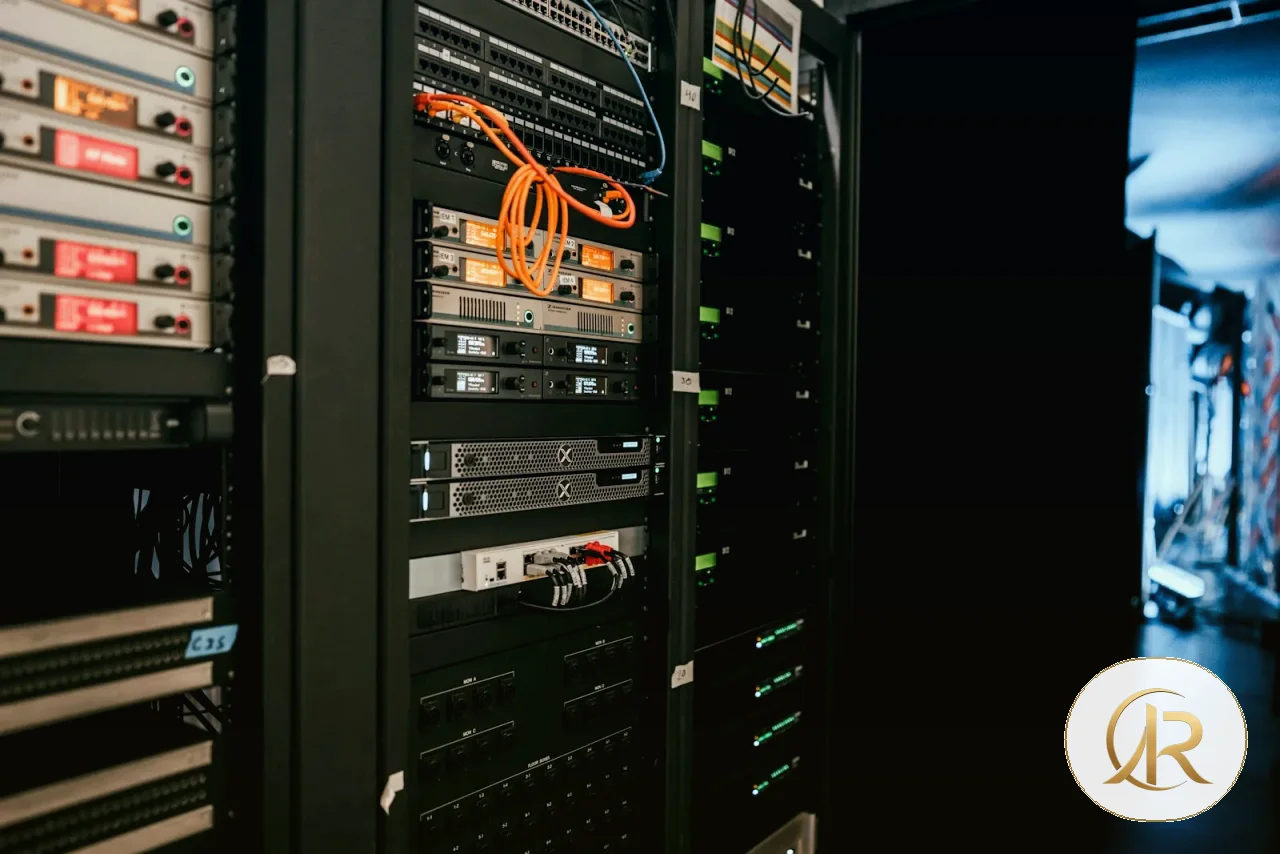


Infrastructure Drift: A Practical Guide to Detecting and Managing Unrecorded Production Changes
A production environment can look healthy while its servers, networks, permissions, and storage differ from the infrastructure definition the team reviewed. An engineer may have changed a security rule during an incident, a cloud provider may have changed a default, or a console-only fix may never have made it back into version control. Over time, these differences accumulate, leaving a critical question: does production still match what the team actually approved?
This gap is known as infrastructure drift. It is more than a documentation problem: it can make environments impossible to recreate, introduce inconsistent behavior, leave excessive permissions in place, increase costs, or undermine disaster recovery. Infrastructure as Code (IaC) makes configuration reviewable and repeatable, but it does not automatically prevent drift. Teams need a deliberate cycle for detection, comparison, risk assessment, and remediation, with clear ownership of change decisions.
This guide explains how to distinguish meaningful drift from expected differences, build a safe detection process with IaC plans and policy checks, and correct mismatches without unexpectedly replacing a critical production resource. Examples are conceptual and can be adapted to Terraform or other configuration-management tools; exact commands and behavior depend on the provider and tool version.
1. What is infrastructure drift?
Declared infrastructure lives in files, templates, or policies describing the desired resources: subnets, firewall rules, disk sizes, runtime versions, identity roles, load balancers, and backup policies. Actual infrastructure is what the cloud provider has provisioned and is enforcing now. Drift occurs when actual resources no longer match the desired configuration or the state tracked by the infrastructure tool.
Not every difference is a defect. A provider may calculate a field, generate an identifier, or update a value that the configuration does not control. Some properties are dynamic by design. Therefore, an observed difference should not automatically trigger a change. First establish whether the field is managed, whether the change is expected, and what would happen if the declared value were restored.
2. Common sources of drift
- Emergency console edits: someone changes a resource during an incident and never records the change in code.
- Changes outside the review path: a script or service account calls the provider API directly without updating IaC.
- Environment inconsistency: staging is created manually or from an old template and diverges from production.
- Provider defaults: a service changes behavior or a default after a provider or API update.
- State mismatch: the tool's stored state becomes stale, or multiple operators work against inadequately protected state.
Drift management connects to broader operations practices. See the Cloud Native and DevOps guide for runtime context, and the DevOps secrets management guide when reviewing permission or sensitive-configuration changes.
Edge Cases and a Verification Plan
When testing a required field is missing in infrastructure drift detection, do not assume the cause is obvious from the first observation. Compare the behavior with the approved contract or configuration, and identify what changed and who depends on it. Record the expected result, then repeat the check with safe, reproducible data so the infrastructure team and production can verify the fix without affecting real users.
When testing a null value appears where a real value is expected in infrastructure drift detection, do not assume the cause is obvious from the first observation. Compare the behavior with the approved contract or configuration, and identify what changed and who depends on it. Record the expected result, then repeat the check with safe, reproducible data so the infrastructure team and production can verify the fix without affecting real users.
When testing an empty string is sent for a text field in infrastructure drift detection, do not assume the cause is obvious from the first observation. Compare the behavior with the approved contract or configuration, and identify what changed and who depends on it. Record the expected result, then repeat the check with safe, reproducible data so the infrastructure team and production can verify the fix without affecting real users.
When testing the payload uses a different data type in infrastructure drift detection, do not assume the cause is obvious from the first observation. Compare the behavior with the approved contract or configuration, and identify what changed and who depends on it. Record the expected result, then repeat the check with safe, reproducible data so the infrastructure team and production can verify the fix without affecting real users.
When testing a new enum value reaches an older client in infrastructure drift detection, do not assume the cause is obvious from the first observation. Compare the behavior with the approved contract or configuration, and identify what changed and who depends on it. Record the expected result, then repeat the check with safe, reproducible data so the infrastructure team and production can verify the fix without affecting real users.
When testing a payload exceeds the documented size limit in infrastructure drift detection, do not assume the cause is obvious from the first observation. Compare the behavior with the approved contract or configuration, and identify what changed and who depends on it. Record the expected result, then repeat the check with safe, reproducible data so the infrastructure team and production can verify the fix without affecting real users.
When testing Unicode text includes Arabic and other scripts in infrastructure drift detection, do not assume the cause is obvious from the first observation. Compare the behavior with the approved contract or configuration, and identify what changed and who depends on it. Record the expected result, then repeat the check with safe, reproducible data so the infrastructure team and production can verify the fix without affecting real users.
When testing a date falls at a day or month boundary in infrastructure drift detection, do not assume the cause is obvious from the first observation. Compare the behavior with the approved contract or configuration, and identify what changed and who depends on it. Record the expected result, then repeat the check with safe, reproducible data so the infrastructure team and production can verify the fix without affecting real users.
When testing a timestamp crosses a time-zone boundary in infrastructure drift detection, do not assume the cause is obvious from the first observation. Compare the behavior with the approved contract or configuration, and identify what changed and who depends on it. Record the expected result, then repeat the check with safe, reproducible data so the infrastructure team and production can verify the fix without affecting real users.
When testing currency precision differs between systems in infrastructure drift detection, do not assume the cause is obvious from the first observation. Compare the behavior with the approved contract or configuration, and identify what changed and who depends on it. Record the expected result, then repeat the check with safe, reproducible data so the infrastructure team and production can verify the fix without affecting real users.
When testing a request is repeated after a network interruption in infrastructure drift detection, do not assume the cause is obvious from the first observation. Compare the behavior with the approved contract or configuration, and identify what changed and who depends on it. Record the expected result, then repeat the check with safe, reproducible data so the infrastructure team and production can verify the fix without affecting real users.
When testing the provider responds more slowly than the timeout in infrastructure drift detection, do not assume the cause is obvious from the first observation. Compare the behavior with the approved contract or configuration, and identify what changed and who depends on it. Record the expected result, then repeat the check with safe, reproducible data so the infrastructure team and production can verify the fix without affecting real users.
When testing a client reaches the documented rate limit in infrastructure drift detection, do not assume the cause is obvious from the first observation. Compare the behavior with the approved contract or configuration, and identify what changed and who depends on it. Record the expected result, then repeat the check with safe, reproducible data so the infrastructure team and production can verify the fix without affecting real users.
When testing a credential has expired in infrastructure drift detection, do not assume the cause is obvious from the first observation. Compare the behavior with the approved contract or configuration, and identify what changed and who depends on it. Record the expected result, then repeat the check with safe, reproducible data so the infrastructure team and production can verify the fix without affecting real users.
When testing the caller lacks the required permission in infrastructure drift detection, do not assume the cause is obvious from the first observation. Compare the behavior with the approved contract or configuration, and identify what changed and who depends on it. Record the expected result, then repeat the check with safe, reproducible data so the infrastructure team and production can verify the fix without affecting real users.
When testing the client receives an unexpected HTTP status in infrastructure drift detection, do not assume the cause is obvious from the first observation. Compare the behavior with the approved contract or configuration, and identify what changed and who depends on it. Record the expected result, then repeat the check with safe, reproducible data so the infrastructure team and production can verify the fix without affecting real users.
When testing the endpoint returns an empty collection in infrastructure drift detection, do not assume the cause is obvious from the first observation. Compare the behavior with the approved contract or configuration, and identify what changed and who depends on it. Record the expected result, then repeat the check with safe, reproducible data so the infrastructure team and production can verify the fix without affecting real users.
When testing a pagination cursor is invalid or expired in infrastructure drift detection, do not assume the cause is obvious from the first observation. Compare the behavior with the approved contract or configuration, and identify what changed and who depends on it. Record the expected result, then repeat the check with safe, reproducible data so the infrastructure team and production can verify the fix without affecting real users.
When testing two updates happen concurrently in infrastructure drift detection, do not assume the cause is obvious from the first observation. Compare the behavior with the approved contract or configuration, and identify what changed and who depends on it. Record the expected result, then repeat the check with safe, reproducible data so the infrastructure team and production can verify the fix without affecting real users.
When testing some steps succeed while another step fails in infrastructure drift detection, do not assume the cause is obvious from the first observation. Compare the behavior with the approved contract or configuration, and identify what changed and who depends on it. Record the expected result, then repeat the check with safe, reproducible data so the infrastructure team and production can verify the fix without affecting real users.
When testing a new provider version is rolled out in infrastructure drift detection, do not assume the cause is obvious from the first observation. Compare the behavior with the approved contract or configuration, and identify what changed and who depends on it. Record the expected result, then repeat the check with safe, reproducible data so the infrastructure team and production can verify the fix without affecting real users.
When testing an older mobile client remains in active use in infrastructure drift detection, do not assume the cause is obvious from the first observation. Compare the behavior with the approved contract or configuration, and identify what changed and who depends on it. Record the expected result, then repeat the check with safe, reproducible data so the infrastructure team and production can verify the fix without affecting real users.
When testing a new optional field is introduced in infrastructure drift detection, do not assume the cause is obvious from the first observation. Compare the behavior with the approved contract or configuration, and identify what changed and who depends on it. Record the expected result, then repeat the check with safe, reproducible data so the infrastructure team and production can verify the fix without affecting real users.
When testing a property used by consumers is renamed in infrastructure drift detection, do not assume the cause is obvious from the first observation. Compare the behavior with the approved contract or configuration, and identify what changed and who depends on it. Record the expected result, then repeat the check with safe, reproducible data so the infrastructure team and production can verify the fix without affecting real users.
When testing an error code relied on by clients is removed in infrastructure drift detection, do not assume the cause is obvious from the first observation. Compare the behavior with the approved contract or configuration, and identify what changed and who depends on it. Record the expected result, then repeat the check with safe, reproducible data so the infrastructure team and production can verify the fix without affecting real users.
When testing a schema reference cannot be resolved in infrastructure drift detection, do not assume the cause is obvious from the first observation. Compare the behavior with the approved contract or configuration, and identify what changed and who depends on it. Record the expected result, then repeat the check with safe, reproducible data so the infrastructure team and production can verify the fix without affecting real users.
When testing a client is generated from an OpenAPI document in infrastructure drift detection, do not assume the cause is obvious from the first observation. Compare the behavior with the approved contract or configuration, and identify what changed and who depends on it. Record the expected result, then repeat the check with safe, reproducible data so the infrastructure team and production can verify the fix without affecting real users.
Related articles
- Mobile App Localization Testing: RTL, Dates, Currency, and Long Text
- How to Verify Software Releases: Checksums, Digital Signatures, and SBOMs
- Data Contracts and Quality Tests: Building Reliable Analytics Pipelines with Python and SQL
- Technical Debt in Software: How to Detect and Measure It Before It Becomes a Crisis


Written by
Abdelrahman Rabie Ali
Software Engineer & AI Builder
Full-stack software engineer and graphic designer with 4+ years building modern web applications using PHP, JavaScript, HTML, and CSS. Strong UI/UX background and advanced use of AI tools to boost development efficiency, automation, and decision-making.
Article tags
#ديف أوبس والبنية التحتية
#Infrastructure as Code
#IaC
#Terraform
#Cloud Infrastructure
#إدارة البنية التحتية
#Configuration Management
Sources & external links
RELATED / READ NEXT
All articles
Related articles

2026.10.05 · 18 VIEWS
Secrets and Environment Variables in DevOps: A Practical Security Guide
Read article
2026.10.05 · 12 VIEWS
Blue-Green vs Canary Deployments
Read article
2026.10.05 · 15 VIEWS
Cloud Computing, Performance, and Cost Management: Choosing the Right Architecture
Read article
2026.10.05 · 12 VIEWS
From Cloud to Cloud Native: Building Scalable Apps with DevOps and Containers
Read articleRead also
- From Git to Production: A Practical Guide to a Secure, Observable CI/CD Pipeline
- A Practical CI/CD Pipeline for Small Teams
- Mobile App Accessibility Testing: TalkBack, VoiceOver, and Inclusive UX
- API Contract Testing: Prevent Integration Breaks
- Change Data Capture (CDC): Reliable Data Sync and the Outbox Pattern
- Mobile App Localization Testing: RTL, Dates, Currency, and Long Text



Comments
Be the first to comment on this article.