 Abdelrahman Rabie Ali




Change Data Capture (CDC): Reliable Data Sync and the Outbox Pattern

A practical guide to CDC approaches, transaction logs, triggers, polling, the Outbox pattern, duplicates, ordering, and recovery.

استخدام lovable unlimited بدون حدود
أعرف المزيدتحتاج الأنظمة الحديثة إلى إبقاء أكثر من مكوّن على معرفة بالتغييرات نفسها: قاعدة تشغيلية، ومستودع تحليلات، ومحرك بحث، وخدمة إشعارات، أو نظام خارجي. المشكلة ليست نقل الصفوف فحسب؛ بل نقل التغييرات بالترتيب الصحيح، من دون فقد أحداث أو تكرار آثارها أو تحميل قاعدة الإنتاج باستعلامات استطلاع متواصلة. هنا تظهر تقنية Change Data Capture (CDC)، أي التقاط تغييرات البيانات، بوصفها طريقة لبناء تدفقات تحديث يمكن مراقبتها وإعادة تشغيلها.
يشرح هذا الدليل كيف تعمل CDC، ومتى تكون قراءة سجل المعاملات أفضل من المشغلات أو الاستطلاع الدوري، وكيف يتكامل نمط Outbox معها عندما تحتاج إلى نشر حدث من داخل معاملة أعمال. سنناقش التأخير، والترتيب، والتكرار، وإعادة المعالجة، والمخططات المتغيرة، والمراقبة، والأمن، ثم ننتهي بخطة تنفيذ واختبارات تشغيلية. الهدف ليس اختيار أداة بعينها، بل بناء مسار بيانات يمكن الوثوق به عندما تتأخر الشبكة أو يتوقف المستهلك أو يعاد تشغيل العامل.
تذكّر أن CDC ليست بديلًا عن تصميم البيانات الجيد ولا ضمانًا تلقائيًا للتسليم مرة واحدة فقط. إنها آلية لالتقاط التغيير؛ أما معنى الحدث، وسياسة التكرار، والتعافي، واتساق الأنظمة التابعة فتظل مسؤولية التصميم.
1. ما المقصود بالتقاط تغييرات البيانات؟
تعني CDC تسجيل ما تغيّر في قاعدة البيانات بعد لحظة مرجعية، بدل إعادة استخراج الجداول كاملة في كل مرة. قد يكون التغيير إدراج سجل أو تعديل قيمة أو حذف صف، ويمكن تمثيله كحدث يحمل اسم الجدول أو الكيان، ونوع العملية، والمفتاح، والقيم المتاحة، وموضع التغيير في المصدر. تستهلك أنظمة أخرى هذه الأحداث لتحديث نسخها المحلية أو إنشاء مؤشرات بحث أو بناء جداول تحليلية.
تختلف CDC عن النسخ الاحتياطي وعن النسخ المتماثل التقليدي. النسخ الاحتياطي يهدف إلى استعادة البيانات بعد الفقد، أما CDC فتهتم بالتغييرات التي حدثت منذ نقطة معينة وتوجيهها إلى مستهلكين ذوي أغراض مختلفة. وقد يستخدم النسخ المتماثل سجلات التغيير داخليًا، لكن تطبيق CDC غالبًا يضيف تحويلًا أو توجيهًا أو عقدًا للأحداث يناسب التطبيقات اللاحقة.
تخيل متجرًا يسجل طلبًا جديدًا. يجب أن تظهر الطلبات في لوحة التحليلات، ويجب تحديث مخزون المنتج، وربما إرسال رسالة تأكيد. إذا نفّذ التطبيق خمس عمليات مستقلة بعد حفظ الطلب، فقد تنجح المعاملة الأساسية وتفشل إحدى العمليات الثانوية. CDC تساعد على نشر التغييرات بعد وقوعها، لكن تصميمًا موثوقًا يحتاج إلى تحديد ما إذا كان الحدث يعني «تم حفظ الطلب» أم «تم تأكيد الطلب»، وما إذا كان التغيير النهائي كافيًا أم أن المستهلك يحتاج إلى تاريخ الأحداث.
حالة الصف أم سجل الأحداث؟
بعض المستهلكين يحتاجون إلى أحدث حالة فقط؛ فمحرك البحث يريد عادةً صورة محدثة للمنتج. أما نظام مالي أو تدقيق فقد يحتاج إلى معرفة كل انتقال حدث، لا القيمة الأخيرة فحسب. إذا استهلك النظام أحداثًا متأخرة، فعليه معرفة هل يستبدل الحالة الحالية أم يتجاهل الحدث الأقدم. لذلك ينبغي أن يحمل الحدث مفتاحًا ثابتًا، ومعلومات ترتيب مناسبة، ووقتًا أو موضعًا صادرًا من المصدر، لا توقيت وصوله إلى المستهلك وحده.
ابدأ بتحديد الغرض من التدفق قبل اختيار التقنية: هل تريد تحديثًا قريبًا من الزمن الحقيقي؟ هل تحتاج إلى التقاط الحذف؟ هل يلزمك سجل تاريخي؟ ما حجم التغييرات في الذروة؟ وما مدة الانقطاع التي يجب أن يتحملها المستهلك؟ هذه الإجابات تحدد إن كان الاستطلاع البسيط كافيًا أو أن قراءة سجل المعاملات تستحق كلفتها التشغيلية.
2. الطرق الأساسية لتنفيذ CDC
الاستطلاع الدوري (Polling): يقرأ التطبيق الصفوف التي تغيرت منذ آخر علامة محفوظة، غالبًا باستخدام عمود مثل updated_at أو رقم متزايد. إنه واضح وسهل البدء، لكنه لا يلتقط الحذف دائمًا، وقد يفوّت تغييرات إذا كانت العلامة غير دقيقة أو كان ترتيب المعاملات مختلفًا عن ترتيب التوقيت. كما أن الاستطلاع المتكرر قد يزيد الحمل على قاعدة البيانات حتى عندما لا توجد تغييرات.
المشغلات (Triggers): تنفّذ قاعدة البيانات منطقًا عند الإدراج أو التعديل أو الحذف، ويمكنها تسجيل الحدث في جدول منفصل داخل المعاملة نفسها. هذا يتيح التقاط الحذف ويقلل فجوة حفظ البيانات والحدث، لكنه يضيف عملًا إلى مسار الكتابة، ويجعل فشل المشغل مؤثرًا في العملية الأصلية. كما أن منطق المشغلات قد يصعب اختباره ومراجعته إذا توزّع على جداول كثيرة.
قراءة سجل المعاملات (Log-based CDC): تقرأ الأداة سجلًا مثل binlog في MySQL أو WAL في PostgreSQL، ثم تحول التغييرات الملتزمة إلى أحداث. غالبًا ما تقلل هذه الطريقة العبء الإضافي على استعلامات التطبيق وتلتقط الإدراج والتعديل والحذف، لكنها تتطلب إعدادًا صحيحًا للسجل والصلاحيات والاحتفاظ به والتعامل مع تطور المخطط وإعادة الاتصال.
لا توجد طريقة أفضل في كل الحالات. اختر الاستطلاع عندما يكون التأخير المقبول بالدقائق والحجم صغيرًا والبيانات قابلة للاستعلام الآمن. استخدم المشغلات عندما تحتاج إلى تسجيل بسيط داخل المعاملة وتستطيع ضبط أثرها. وفضّل CDC المعتمدة على السجل عندما تحتاج إلى تدفق واسع ومستمر وتملك القدرة على تشغيل ومراقبة موصل متخصص.
3. نمط Outbox: كيف تربط معاملة الأعمال بالحدث؟
من أكثر الأخطاء شيوعًا أن تحفظ الخدمة الطلب في قاعدة البيانات ثم ترسل رسالة إلى وسيط أحداث أو خدمة خارجية داخل الشيفرة نفسها. قد ينجح الحفظ ثم يفشل الإرسال، أو ينجح الإرسال ثم تتراجع المعاملة. عندها يرى النظامان حقيقتين مختلفتين. يحل نمط Outbox جزءًا من المشكلة بإضافة جدول أحداث داخل قاعدة البيانات نفسها؛ تحفظ الخدمة التغيير وسجل الحدث في معاملة واحدة، ثم ينشر عامل مستقل السجلات غير المنشورة إلى الوسيط.
مثلًا، تنشئ معاملة الطلب صفًا في orders وصفًا في outbox_events يحمل معرفًا فريدًا، ونوع الحدث، ومعرف الطلب، ونسخة الحدث، ووقت الإنشاء، وحالة النشر. إذا تراجعت المعاملة فلن يظهر الطلب ولا الحدث. وإذا نجحت، فسيكون الحدث محفوظًا ويمكن إعادة محاولة نشره حتى عند تعطل الوسيط مؤقتًا. بعد النشر يحدّث العامل حالة السجل أو يحفظ موضع التقدم.
لكن Outbox لا يجعل الإرسال «مرة واحدة بالضبط» تلقائيًا. قد ينشر العامل الرسالة ثم يتوقف قبل تسجيل نجاحها، فيعيد إرسالها بعد التشغيل. لهذا يجب أن تكون الرسائل قابلة للتكرار بأمان، وأن يستخدم المستهلك event_id ثابتًا لتسجيل ما عالجه. في الأنظمة الحساسة، يمكن أن يحفظ المستهلك معرف الحدث في جدول inbox داخل المعاملة نفسها التي تطبق أثره، ثم يتجاهل أي نسخة لاحقة من الحدث نفسه.
اختر بين Outbox وCDC وفق حدود الثقة والتعقيد. قد يقرأ موصل CDC جدول outbox من سجل المعاملات، فيجمع النمطين: تضمن معاملة التطبيق وجود الحدث، وتتكفل CDC بتوصيله. أما التقاط كل تغييرات الجداول مباشرة فيمكن أن يكون مناسبًا للتحليلات أو الفهرسة، لكنه لا يحدد وحده المعنى التجاري لكل تغيير. من المفيد مراجعة دليل عقود البيانات واختبارات الجودة عند تعريف بنية الأحداث وشروطها، ومراجعة شرح عزل المعاملات وMVCC لفهم حدود التزامن داخل المصدر.
مقالات ذات صلة
- عقود البيانات واختبارات الجودة: بناء خطوط تحليل موثوقة باستخدام Python وSQL
- عزل المعاملات وMVCC في قواعد البيانات: دليل عملي لمنع التعارضات والـDeadlocks
- ترحيل قواعد البيانات دون توقف: دليل عملي لنشر تحديثات Laravel بأمان
4. الترتيب والتكرار ونقاط الاستئناف
لا تفترض أن ترتيب وصول الرسائل يطابق ترتيب تغيّر الصفوف. قد تتأخر رسالة في الشبكة، أو يعيد وسيط الأحداث المحاولة، أو يستهلك التطبيق أقسامًا متعددة بالتوازي. إذا كان ترتيب الأحداث مهمًا لكيان بعينه، فاستخدم مفتاح تقسيم ثابتًا مثل customer_id أو order_id، وأضف رقم إصدار أو تسلسلًا مصدره قاعدة البيانات. يمكن للمستهلك رفض حدث أقدم من الحالة التي لديه، لكن لا تستخدم وقت الجهاز وحده لترتيب تغييرات متزامنة.
ينبغي التمييز بين معرف الحدث وموضع القراءة. معرف الحدث يساعد على إزالة التكرار، أما موضع السجل أو checkpoint فيحدد أين يستطيع الموصل استئناف القراءة. خزّن نقاط التقدم بطريقة متينة، وحدثها بعد أن يصبح الحدث محفوظًا أو معالجًا وفق ضمانات النظام. إذا تقدمت نقطة القراءة قبل حفظ الحدث في الوجهة فقد تفقده بعد إعادة التشغيل؛ وإذا تأخرت، فقد تعيد إرسال أحداث قديمة، وهذا مقبول فقط عندما يكون المستهلك idempotent.
خطط أيضًا للحذف. قد يصل حذف على شكل حدث يحمل المفتاح فقط، أو tombstone، أو سجلًا يضم القيم السابقة بحسب الموصل والإعدادات. على المستهلك أن يترجم هذا إلى حذف فعلي أو علامة حذف في الفهرس، وإلا ستبقى بيانات قديمة في الأنظمة التابعة. لا تخلط بين غياب الصف وبين حذف مؤكد؛ فالغياب قد ينتج عن تأخر التدفق أو فشل الاستعلام.
تطور المخطط والتوافق
تتغير الجداول بمرور الوقت: يضاف عمود، أو يتغير نوع، أو يعاد تسمية حقل. قد يفشل المستهلك الذي يتوقع مخططًا ثابتًا إذا وصل حقل جديد أو اختفى حقل قديم. استخدم إصدارات واضحة لعقود الأحداث، واجعل الإضافات اختيارية في البداية، ولا تحذف حقلًا قبل التأكد من توقف جميع المستهلكين عن استخدامه. عند تغيير معنى حقل لا يكفي الحفاظ على اسمه؛ وثّق المعنى الجديد أو أصدر حدثًا بإصدار مختلف.
عند إعادة بناء مستهلك من الصفر، حدد نقطة لقطة (snapshot) ثم نقطة استئناف في السجل بحيث لا توجد فجوة بين البيانات الأساسية والتغييرات اللاحقة. اتبع آلية الموصل الموثقة بدل تنفيذ لقطة مستقلة ثم تشغيل التدفق من توقيت تقريبي. اختبر العملية على حجم قريب من الإنتاج، لأن اللقطة الطويلة قد تتجاوز فترة الاحتفاظ بالسجل أو تزيد الضغط على قاعدة المصدر.
5. المراقبة والتعافي والأمن
لا تكتمل CDC بمجرد أن تظهر الرسائل في الوسيط. راقب التأخير بين التزام المعاملة ووصول الحدث إلى المستهلك، وحجم السجل المتراكم، وسرعة القراءة والمعالجة، ومعدل الأخطاء وإعادة المحاولة، وعدد الأحداث المرفوضة بسبب مخطط غير متوافق. في CDC المعتمدة على السجل، راقب كذلك موضع القراءة مقابل أحدث موضع في المصدر، ومساحة السجل المتاحة، ومدة الاحتفاظ قبل أن تصبح إعادة التشغيل مستحيلة.
ضع تنبيهات على مؤشرات مرتبطة بهدف الخدمة، لا على كل خطأ عابر. مثلًا، إذا كان المطلوب تحديث محرك البحث خلال دقيقة، فاجعل التنبيه عند تجاوز التأخير تلك العتبة لعدة دقائق. اجعل لوحة المراقبة تعرض اسم الموصل والمصدر والمستهلك وآخر حدث ناجح ومقدار التأخر؛ فالرقم المجرد دون سياق لا يساعد في التشخيص.
اختبر الفشل عمدًا في بيئة غير إنتاجية: أوقف المستهلك، اقطع الاتصال بالوسيط، أعد تشغيل الموصل، أرسل حدثًا مكررًا، وغيّر مخططًا بطريقة متوافقة ثم غير متوافقة. تأكد أن النظام يتعافى دون فقد بيانات أو تطبيق آثار مضاعفة. وثّق خطوات إعادة التشغيل وإعادة بناء المستهلك واستعادة نقطة التقدم، وحدد من يملك صلاحية إعادة تشغيل تدفق كبير قد يسبب ضغطًا على المصدر.
الأمن والخصوصية
قد تحتوي سجلات التغيير على بيانات شخصية أو أسرار أعمال حتى لو لم تكن مطلوبة لدى كل مستهلك. امنح الموصل صلاحيات قراءة محدودة، واستخدم تشفير النقل والتخزين، وحدد مدة احتفاظ واضحة، ولا ترسل كل الأعمدة تلقائيًا. احجب الحقول الحساسة أو حوّلها قبل النشر، وتحقق من سجلات التطبيق حتى لا تطبع حمولة الحدث كاملة. يجب أن تكون بيانات الاعتماد قابلة للتدوير، وأن تُراجع صلاحيات الوسيط ووجهات التدفق بانتظام.
6. خطة تنفيذ عملية
- حدد الهدف: اكتب متطلبات التأخير، والحجم، والحذف، والترتيب، والاحتفاظ، والتعافي.
- عرّف الحدث: اختر معرفًا ثابتًا، واسمًا واضحًا، وإصدار مخطط، وسياسة للحقول الحساسة.
- اختر الآلية: قارن الاستطلاع والمشغلات وقراءة السجل بحسب قدرة الفريق وحمل المصدر.
- صمم المستهلك: اجعله قابلًا لإعادة المحاولة، وطبق إزالة التكرار، وتعامل مع الأحداث القديمة والحذف.
- اختبر الاستعادة: جرّب الانقطاع واللقطة وإعادة التشغيل وتطور المخطط قبل الإنتاج.
- أضف الرصد: راقب التأخير والأخطاء والتراكم والموارد ونقاط الاستئناف.
الخلاصة أن CDC ليست مجرد أداة لنقل البيانات، بل عقد تشغيلي بين المصدر والمستهلك. أفضل تنفيذ هو الذي يحدد معنى الحدث، ويقبل إعادة التسليم، ويكشف التأخير مبكرًا، ويستطيع استعادة التدفق دون تخمين. ابدأ بأبسط آلية تلبي المتطلبات، ثم زد التعقيد عندما يثبت القياس أن الحاجة حقيقية.
7. كيف تقيس نجاح التدفق؟
قبل الإطلاق، سجّل خط أساس للحمل على قاعدة المصدر وزمن ظهور التغيير لدى المستهلك، ثم قارن النتائج أثناء اختبار الضغط. لا تقِس متوسط التأخير وحده؛ راقب النسبة المئوية 95 و99 لأنها تكشف التأخيرات النادرة التي يشعر بها المستخدم. احسب كذلك نسبة الأحداث المعالجة بنجاح، وعدد مرات إعادة المحاولة، وعمر أقدم حدث غير معالج. إذا زاد التراكم أسرع من قدرة المستهلك على تصريفه، فزيادة عدد العمال وحدها قد لا تحل المشكلة إن كان الاختناق في قاعدة الوجهة أو في مفتاح تقسيم واحد شديد النشاط.
حدّد مسبقًا شروط إيقاف الإطلاق: فقدان أحداث، أو تجاوز حد التأخير، أو ارتفاع أخطاء المخطط، أو ضغط غير مقبول على المصدر. وعند التراجع، لا تحذف السجل المتراكم عشوائيًا؛ احتفظ به حتى يتضح هل يمكن إعادة المعالجة أو يلزم بناء لقطة جديدة. القياس وخطة التراجع جزء من التصميم، لا خطوة لاحقة بعد ظهور المشكلة.
مشاهد توضيحية للبنية والتشغيل

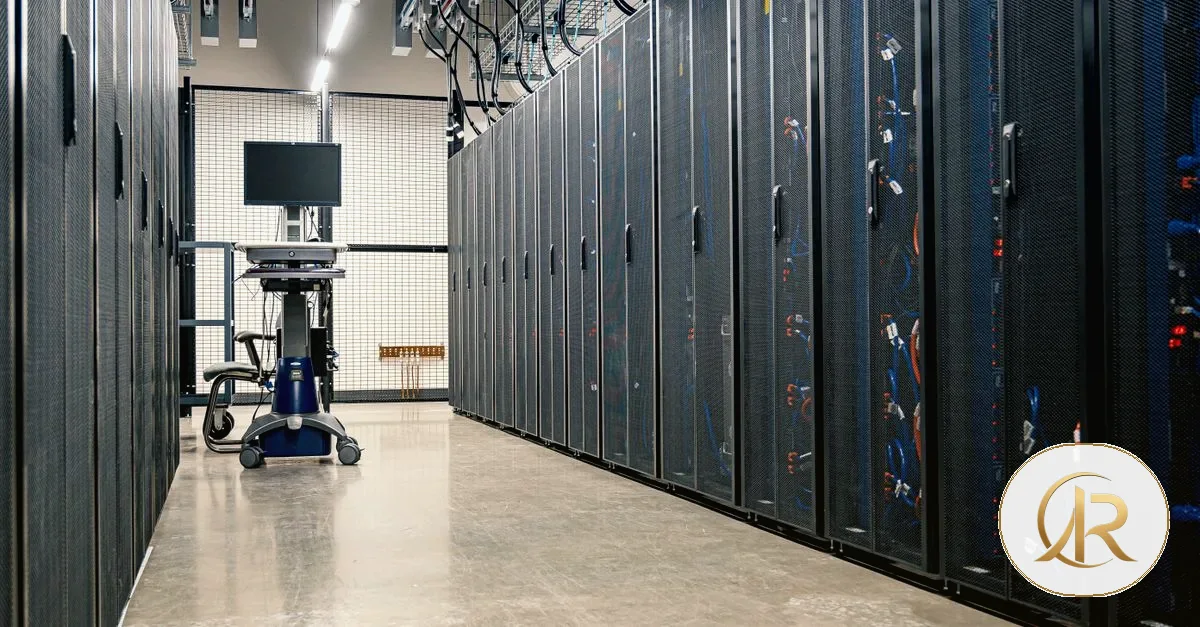
المصدر: Pexels — المصور panumas nikhomkhai — ترخيص Pexels License.

المصدر: Pexels — المصور Brett Sayles — ترخيص Pexels License.

المصدر: Pexels — المصور panumas nikhomkhai — ترخيص Pexels License.
المصدر: Pexels، المصور panumas nikhomkhai، ترخيص Pexels License.
المصدر: Pexels، المصور Brett Sayles، ترخيص Pexels License.
المصدر: Pexels، المصور panumas nikhomkhai، ترخيص Pexels License.
مقالات ذات صلة
- عقود البيانات واختبارات الجودة: بناء خطوط تحليل موثوقة باستخدام Python وSQL
- تقسيم قواعد البيانات Partitioning وSharding: كيف تختار الاستراتيجية المناسبة للتوسع والأداء
- عزل المعاملات وMVCC في قواعد البيانات: دليل عملي لمنع التعارضات والـDeadlocks
- هندسة تطبيقات الموبايل القابلة للتوسع: من بنية المشروع إلى المزامنة والاختبار
Modern systems often need several components to react to the same change: an operational database, an analytics warehouse, a search index, a notification service, or an external platform. The hard part is not merely copying rows. It is propagating changes in a useful order without losing events, applying side effects twice, or continuously burdening the production database with polling queries. Change Data Capture (CDC) provides a way to capture data changes and turn them into observable, replayable streams.
This guide explains how CDC works, when transaction-log reading is preferable to triggers or polling, and how the transactional Outbox pattern helps publish events from business transactions. We will cover latency, ordering, duplicates, replay, schema evolution, monitoring, security, and an implementation plan with operational tests. The goal is not to promote one vendor, but to design a data path that remains understandable when a network slows down, a consumer stops, or a worker restarts.
CDC is not a replacement for good data modeling, nor does it automatically guarantee exactly-once delivery. It captures changes; event meaning, deduplication, recovery, and consistency across dependent systems still require deliberate design.
1. What Change Data Capture Means
CDC records what changed in a database after a reference point instead of repeatedly extracting entire tables. A change may insert a row, update a value, or delete a record. It can be represented as an event containing the entity or table, operation type, key, available values, and a source position. Other systems consume these events to refresh local copies, update search indexes, or build analytical tables.
CDC is different from a backup and from traditional replication. A backup is designed for recovery after loss; CDC focuses on changes since a known position and routes them to consumers with different purposes. Replication may use a change log internally, but an application CDC pipeline often adds routing, transformation, and an event contract that downstream systems can understand.
Consider an online store recording an order. Analytics must reflect the order, inventory may need an update, and a confirmation message may be sent. If the application performs five independent operations after saving the order, the primary transaction can succeed while one secondary action fails. CDC can propagate committed changes, but a reliable design must define whether an event means “order saved” or “order confirmed,” and whether consumers need only the latest state or the full history.
Current state or event history?
Some consumers need only the latest state: a search index usually wants the current product description. A financial or audit system may need every transition rather than the final value alone. When events arrive late, a consumer must know whether to replace its current state or ignore an older change. Events should therefore carry a stable key and useful source ordering information, not just the time they reached the consumer.
Define the purpose before choosing a mechanism. Do you need near-real-time updates? Must deletes be captured? Is historical reconstruction required? What is the peak change volume? How long should consumers survive an outage? The answers determine whether simple polling is sufficient or whether transaction-log capture is worth its operational cost.
2. The Main CDC Approaches
Polling: An application queries rows changed since a saved watermark, often using a field such as updated_at or a monotonically increasing identifier. It is easy to understand and can be a reasonable starting point, but deletes are not naturally visible, timestamp precision can cause missed changes, and repeated queries create load even when little is happening.
Triggers: Database triggers run on inserts, updates, or deletes and can write a change record in the same transaction. This can capture deletes and close the gap between saving data and recording an event. However, triggers add work to the write path, can make the original transaction fail, and may become difficult to test when business logic is scattered across many tables.
Transaction-log CDC: A connector reads a database log such as MySQL binlog or PostgreSQL WAL and converts committed changes into events. It usually avoids constant application polling and can capture inserts, updates, and deletes. It requires correct log configuration, permissions, retention planning, schema-change handling, and reliable reconnection.
No approach is universally best. Poll when minutes of delay are acceptable, volume is modest, and records can be queried safely. Consider triggers when you need a simple in-transaction record and can control their impact. Prefer log-based CDC for a continuous, high-volume stream when your team can operate and monitor a dedicated connector.
3. The Outbox Pattern: Connecting a Business Transaction to an Event
A common failure occurs when a service commits an order to the database and then publishes a message to a broker in separate operations. The database write may succeed while publishing fails, or the message may be sent before the database transaction rolls back. The two systems then disagree. The Outbox pattern reduces this gap by storing an event record in the same database transaction as the business change, then using a separate worker to publish pending records.
For example, an order transaction inserts a row into orders and another row into outbox_events. The event row contains a unique identifier, event type, order identifier, schema version, creation time, and publication state. If the transaction rolls back, neither the order nor the event becomes visible. If it commits, the event is durable and can be retried even when the broker is temporarily unavailable. A worker updates publication state or persists its progress after sending.
Outbox does not automatically provide exactly-once delivery. A worker may publish a message and crash before recording success, causing a resend after restart. Messages must therefore be safe to process more than once. Give each event a stable event_id, and let consumers record processed identifiers. For sensitive side effects, an inbox table can store the identifier in the same transaction that applies the effect, allowing later duplicates to be ignored.
Choose Outbox and CDC based on your consistency boundary and operational complexity. A CDC connector can read the outbox table from the transaction log, combining the two approaches: the application transaction guarantees the event record exists, while CDC transports it. Capturing every table change directly can work well for analytics or indexing, but it does not define the business meaning of each change by itself. The site's guide to data contracts and quality tests helps when defining event schemas and expectations, while its transaction isolation and MVCC guide explains concurrency boundaries inside the source database.
Related articles
- Data Contracts and Quality Tests: Building Reliable Analytics Pipelines with Python and SQL
- Database Transaction Isolation and MVCC: A Practical Guide to Concurrency and Deadlocks
- Zero-Downtime Database Migrations: A Practical Laravel Production Guide
4. Ordering, Duplicates, and Checkpoints
Do not assume message arrival order always matches the order in which rows changed. A network can delay a message, a broker can retry delivery, or a consumer can process several partitions in parallel. If ordering matters for an entity, use a stable partition key such as customer_id or order_id and include a source version or sequence. Consumers can reject a change older than their current state, but wall-clock timestamps alone are not a reliable ordering mechanism for concurrent writes.
Distinguish an event identifier from a read position. An event identifier supports deduplication; a log offset or checkpoint tells a connector where it can resume. Persist progress carefully and advance it only after the event is durably handled according to the system's guarantees. If a checkpoint advances before the destination stores the event, a restart can lose it. If progress lags, old events may be sent again—which is acceptable only when consumers are idempotent.
Plan for deletes as well. Depending on the connector and configuration, a deletion may arrive as a key-only event, a tombstone, or a record containing previous values. Consumers must translate it into a real deletion or a deletion marker in the target index; otherwise stale data remains in downstream systems. Do not confuse a missing row with a confirmed delete, because the row may be absent from a query due to lag or a failed read.
Schema evolution and compatibility
Database schemas evolve: columns are added, types change, and fields are renamed. A consumer that assumes a fixed schema may fail when a new field appears or an old one disappears. Version event contracts explicitly, introduce additions as optional when possible, and do not remove a field until all consumers have stopped using it. A change in meaning is not safe merely because the field name remains the same; document the new meaning or publish a new event version.
When rebuilding a consumer from scratch, define a snapshot point and a matching log position so there is no gap between baseline data and later changes. Follow the connector's documented snapshot procedure rather than taking an independent snapshot and starting the stream from an approximate time. Test at production-like volume: a long snapshot can outlast log retention or add significant load to the source database.
5. Monitoring, Recovery, and Security
A CDC pipeline is not complete merely because messages appear in a broker. Monitor the delay between transaction commit and consumer visibility, backlog size, read and processing throughput, error and retry rates, and events rejected because of incompatible schemas. For log-based CDC, also track the connector position against the source's latest position, available log space, and retention time before replay becomes impossible.
Alert on service objectives rather than every transient error. If the search index must update within one minute, alert when lag exceeds that threshold for several minutes. A useful dashboard shows the connector, source, consumer, last successful event, and current delay. A bare number without context rarely helps an operator diagnose a problem.
Practice failure deliberately in a non-production environment: stop a consumer, disconnect the broker, restart the connector, deliver a duplicate, and introduce a compatible schema change followed by an incompatible one. Verify recovery without data loss or duplicated side effects. Document how to restart the stream, rebuild a consumer, and restore its checkpoint. Restrict who can trigger a large replay that may overload the source.
Security and privacy
Change logs may contain personal information or business secrets that every consumer does not need. Grant connectors narrowly scoped read permissions, encrypt data in transit and at rest, define retention periods, and avoid publishing every column by default. Mask or transform sensitive fields before distribution, and ensure application logs do not print full event payloads. Credentials must be rotatable, and broker permissions and destinations should be reviewed regularly.
6. A Practical Implementation Plan
- Define the objective: Document latency, volume, delete handling, ordering, retention, and recovery requirements.
- Specify the event: Choose a stable identifier, clear name, schema version, and sensitive-field policy.
- Select the mechanism: Compare polling, triggers, and log reading against team capability and source load.
- Design consumers: Make retries safe, deduplicate events, and handle stale changes and deletes.
- Test recovery: Exercise outages, snapshots, restarts, and schema evolution before production.
- Add observability: Track lag, errors, backlog, resource use, and resume positions.
CDC is not just a way to move data; it is an operational contract between a source and its consumers. A strong implementation defines event meaning, tolerates redelivery, exposes lag early, and recovers without guesswork. Start with the simplest mechanism that meets the requirements, then add complexity only when measurements demonstrate a real need.
Source: Pexels, photographer panumas nikhomkhai, Pexels License.
Source: Pexels, photographer Brett Sayles, Pexels License.
Source: Pexels, photographer panumas nikhomkhai, Pexels License.
Related articles
- Data Contracts and Quality Tests: Building Reliable Analytics Pipelines with Python and SQL
- Database Partitioning and Sharding: How to Choose the Right Strategy for Scale and Performance
- Database Transaction Isolation and MVCC: A Practical Guide to Concurrency and Deadlocks
- PostgreSQL 18: The Updates Developers and Database Teams Should Know
Abdelrahman Rabie Ali
Software Engineer & AI Builder
Full-stack software engineer and graphic designer with 4+ years building modern web applications using PHP, JavaScript, HTML, and CSS. Strong UI/UX background and advanced use of AI tools to boost development efficiency, automation, and decision-making.
Article tags
Sources & external links
Related articles
Database Partitioning and Sharding: How to Choose the Right Strategy for Scale and Performance
Read article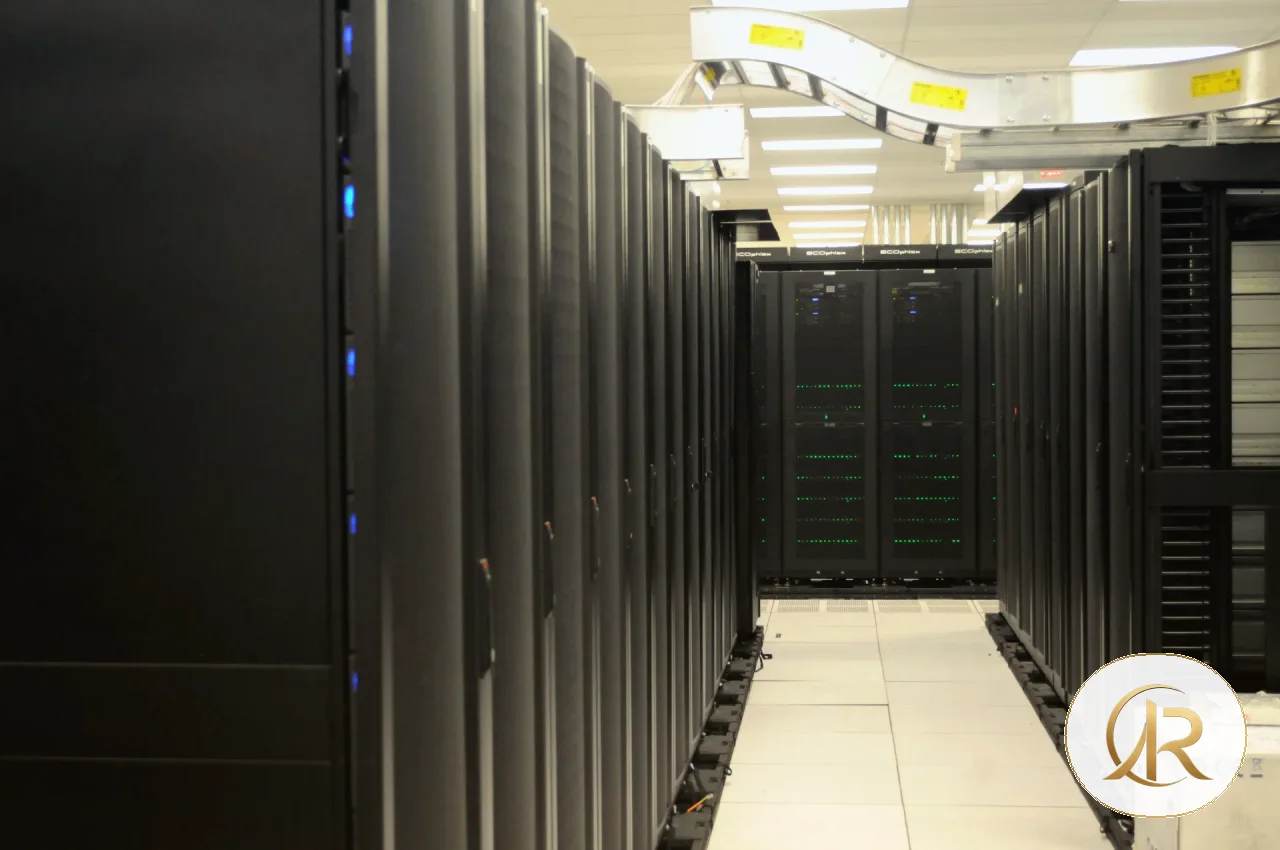
Database Transaction Isolation and MVCC: A Practical Guide to Concurrency and Deadlocks
Read article
Modern MySQL Indexing Strategies: Composite Indexes, Trade-offs, and Query Performance
Read article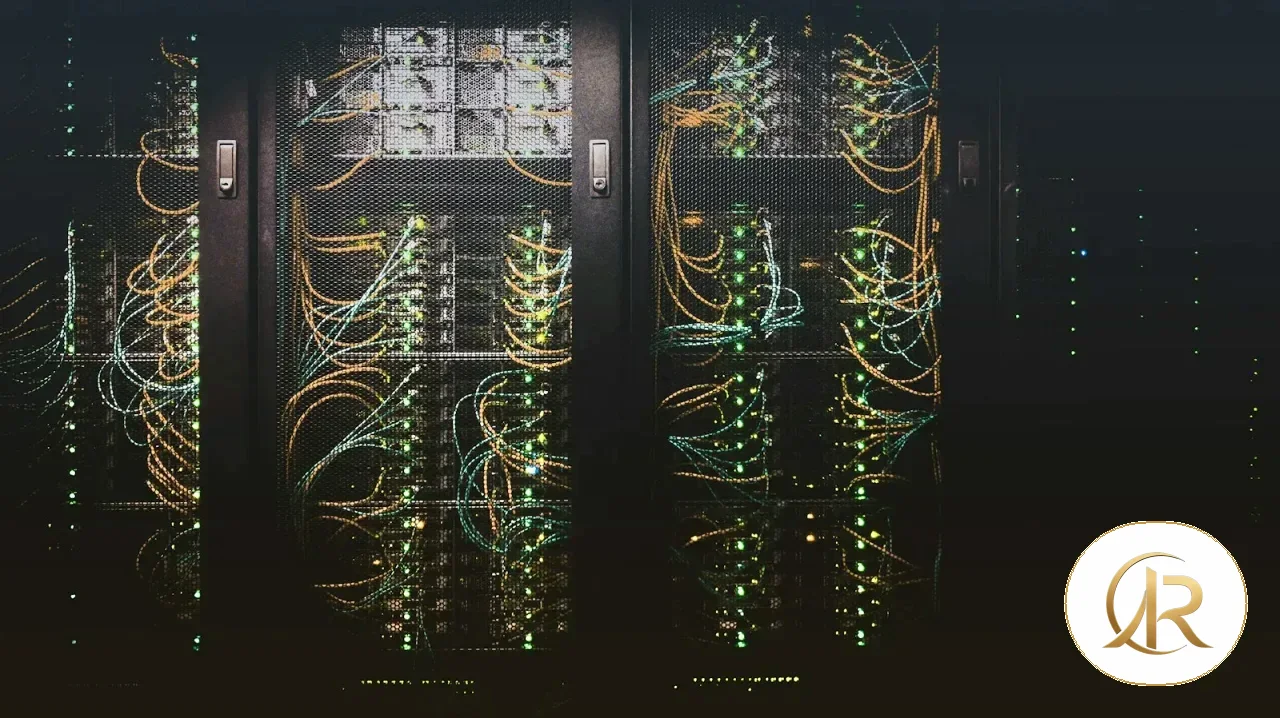

Comments
Be the first to comment on this article.